Welcome to one of our Africa's most remarkable and best-valued road drive safari offers in 2026 - 2027: the Ndutu Calving Season Safari. From December, January,February and March were the Great Migration turns the lush plains of the western Ngorongoro Ndutu and southern Serengeti into a bustling wildlife nursery, this is one of our best tours offering you the best experience that is both intensely dramatic and profoundly moving. We are specializing in crafting best safari tours in this season of 2026 - 2027 that immerse you in this extraordinary spectacle of life, where thousands of wildebeest calves are born, attracting a high concentration of predators and endless opportunities for spectacular wildlife viewing and photography.
Tanzania Safari Radar, we are going extra miles to offer you the most remarkable road-drive calving season - Great Migration adventure
with the most seamless and rewarding journey in your next holiday during this season of 2026 - 2027.
To achieve this, we go the extra mile
to consider a wide range of travel options tailored to your needs.
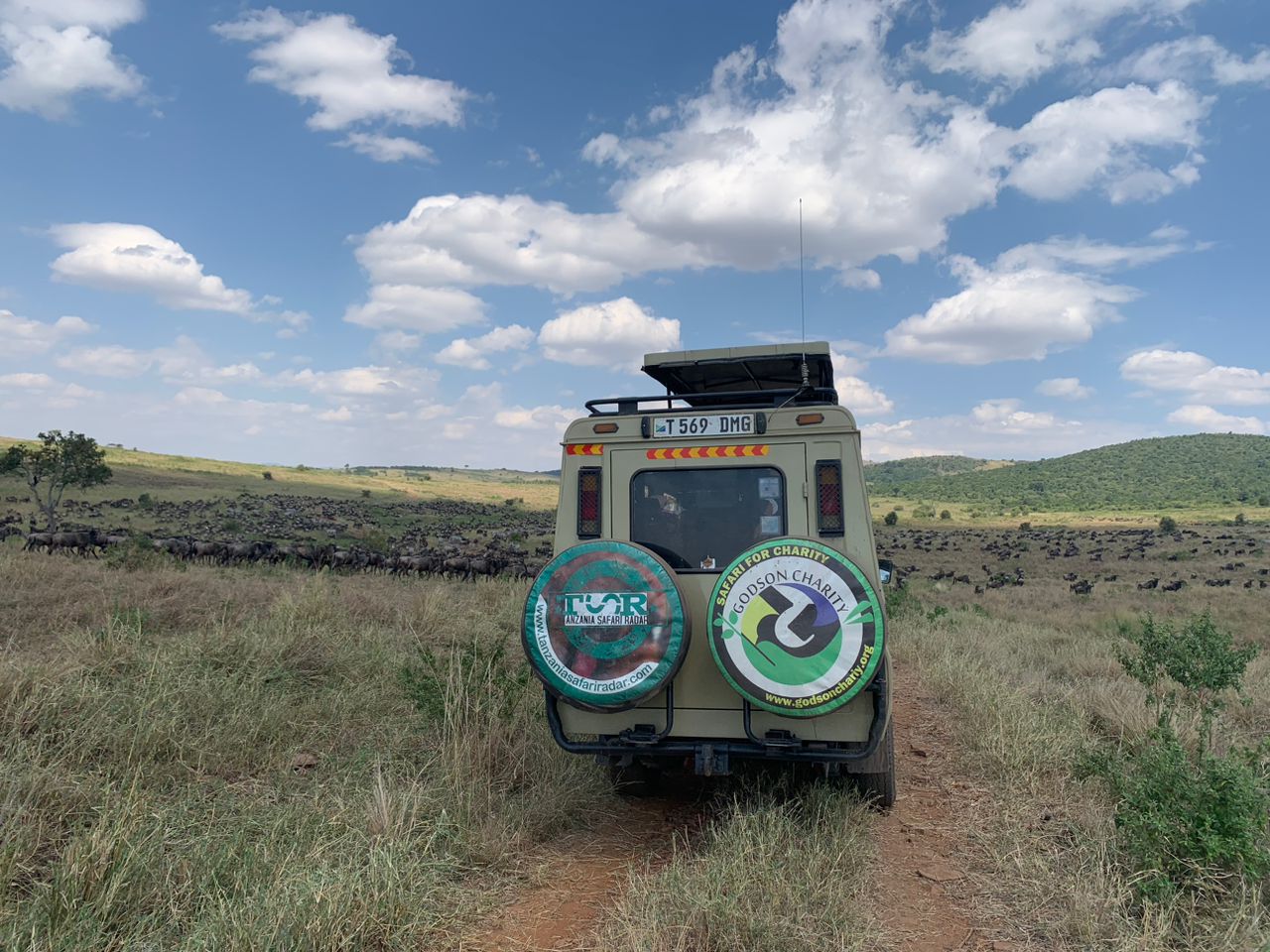 Whether you prefer the scenic, up-close experience of a
driving safari directly into the heart of the action, we cater to every preference by
considering both of Drive-In and Drive-Out from December to March in 2026 - 2027.
We offer the best Calving Season - Great Migration safari tours with a varieties of starting points, including; Arusha, Moshi, Mwanza,
Zanzibar, we offer our best Calving Season - Great Migration safari in Ndutu area with our best safari tour packages
ranging from 3 to 6 days.
Whether you prefer the scenic, up-close experience of a
driving safari directly into the heart of the action, we cater to every preference by
considering both of Drive-In and Drive-Out from December to March in 2026 - 2027.
We offer the best Calving Season - Great Migration safari tours with a varieties of starting points, including; Arusha, Moshi, Mwanza,
Zanzibar, we offer our best Calving Season - Great Migration safari in Ndutu area with our best safari tour packages
ranging from 3 to 6 days.
Book with Tanzania Safari Radar Now!
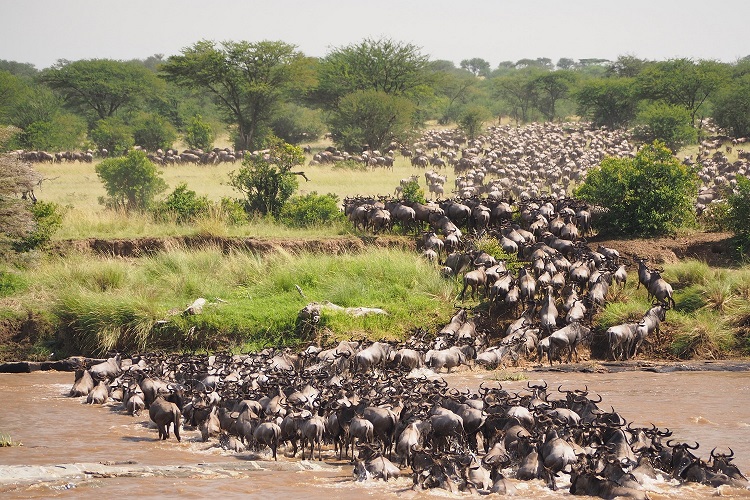
The Great Migration in calving season is an exceptional natural event unfolds each year in the southern reaches of the Serengeti ecosystem: the wildebeest calving season. As part of the Great Migration, hundreds of thousands of wildebeest, along with zebras and other herbivores, gather on the nutrient-rich plains of Ndutu to give birth. This synchronized birthing phenomenon is a spectacle of life and a crucial moment in the survival of the species, as countless calves enter the world within a concentrated period to overwhelm predators. The fertile volcanic soils and seasonal rains of the area provide the perfect environment for this massive animal nursery, attracting an impressive number of predators and creating a cycle of drama, tension, and raw, untamed beauty.
The calving season, an extraordinary spectacle of the Great Migration, is consistently a highlight for safaris each year from December to March. For the upcoming seasons of 2026 through 2027, the absolute best time to witness the event is during February, which is the peak calving month. While December and January offer opportunities to see the herds arriving and some early births, February is when the plains of Ndutu become a vibrant nursery, with thousands of wildebeest calves being born daily. This concentrated birthing period provides a phenomenal showcase of predator-prey dynamics and an emotionally charged, unforgettable experience of new life unfolding in the wild.
The Ndutu calving season begins in December, marking a period of lush greenery and anticipation. Following the short rains of November and December, the vast herds of wildebeest and zebra complete their long journey south from the Masai Mara and northern Serengeti to congregate on the fertile short-grass plains of Ndutu and the northern Ngorongoro Conservation Area. While calving begins toward the end of the month, the initial focus is on the breathtaking spectacle of the immense herds filling the revitalized landscape. This transitional period offers a stunning backdrop of green against the mass of animals,.....
By January, the calving season is in full swing, and the Ndutu area becomes a thriving nursery. The plains are now teeming with a high concentration of newborn calves, signaling a significant increase in predator activity. With so many vulnerable young on the ground, predators like lions, cheetahs, and hyenas are drawn to the region, creating a dramatic period of constant predator-prey interaction. Safari-goers can witness the incredible sight of newborns taking their first wobbly steps within minutes of birth and observe the fierce maternal protection as mothers guard their young against threats.
February is the undisputed peak of the Ndutu calving season. The plains are a hive of activity, with thousands of calves being born daily in what is known as "predator swamping," an evolutionary strategy to ensure that more calves survive. This month offers the highest concentration of wildlife, from the endless herds to the highest density of predators. It is an emotionally charged time, providing a front-row seat to the raw realities of life and death in the wild, with unparalleled opportunities for witnessing dramatic hunts and tender moments of a new life.
As March arrives, the calving season begins to draw to a close, and the landscape starts to shift once again. The calves born in February are now stronger and more mobile, and the herds begin to prepare for their long journey north in search of greener pastures. While births become less frequent, predator activity remains high as they continue to target the last of the vulnerable young. The Ndutu plains remain rich with wildlife, but as the month progresses, visitors will witness the beginning of the herds' departure, offering a unique glimpse into the perpetual cycle of the Great Migration.
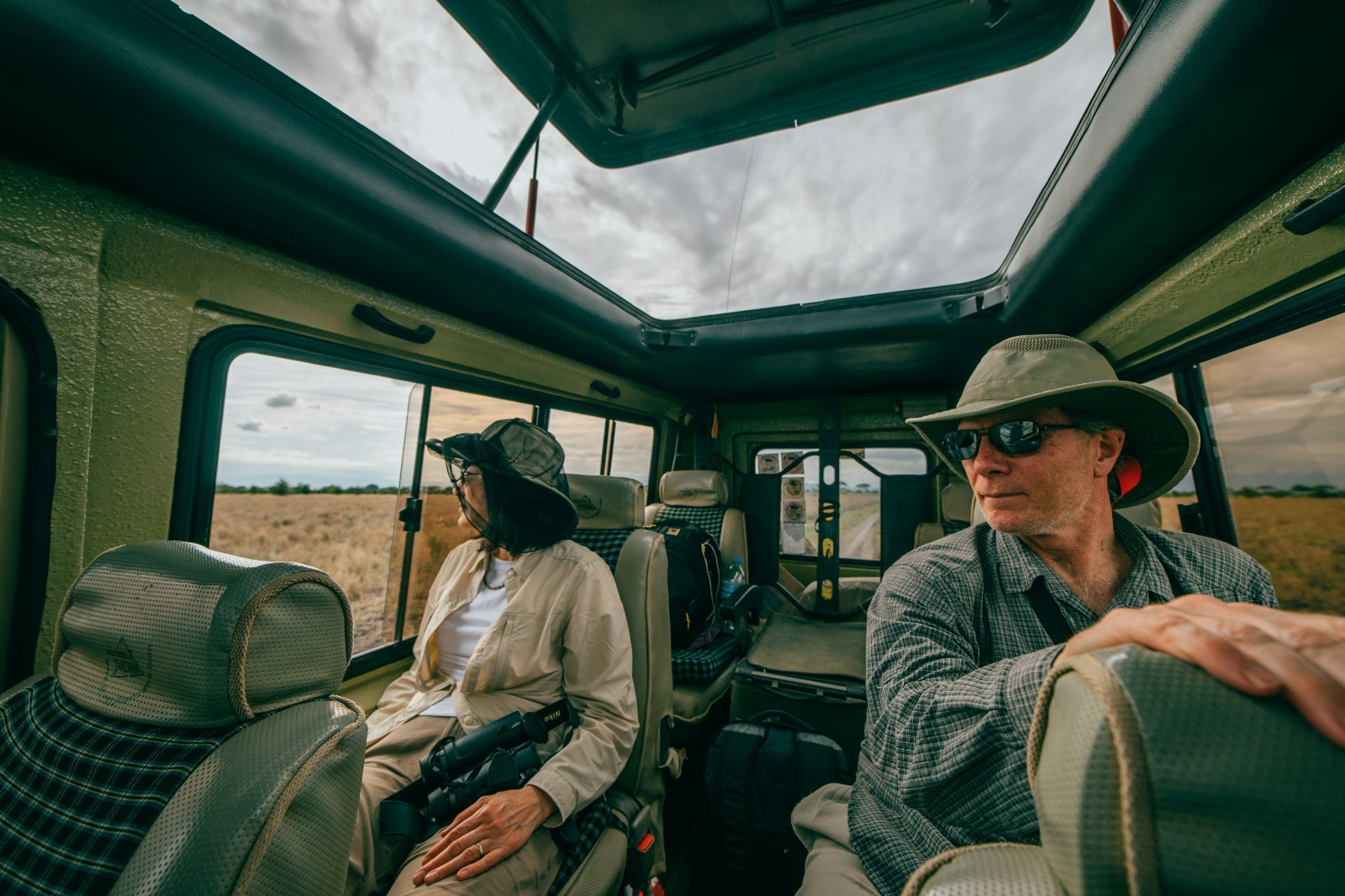










Expert guides on Tanzania safari radar, Kilimanjaro climbing radar, and Zanzibar vocation radar

Tanzania Safari Destinations
Ultimate Guide for Tanzania Safari
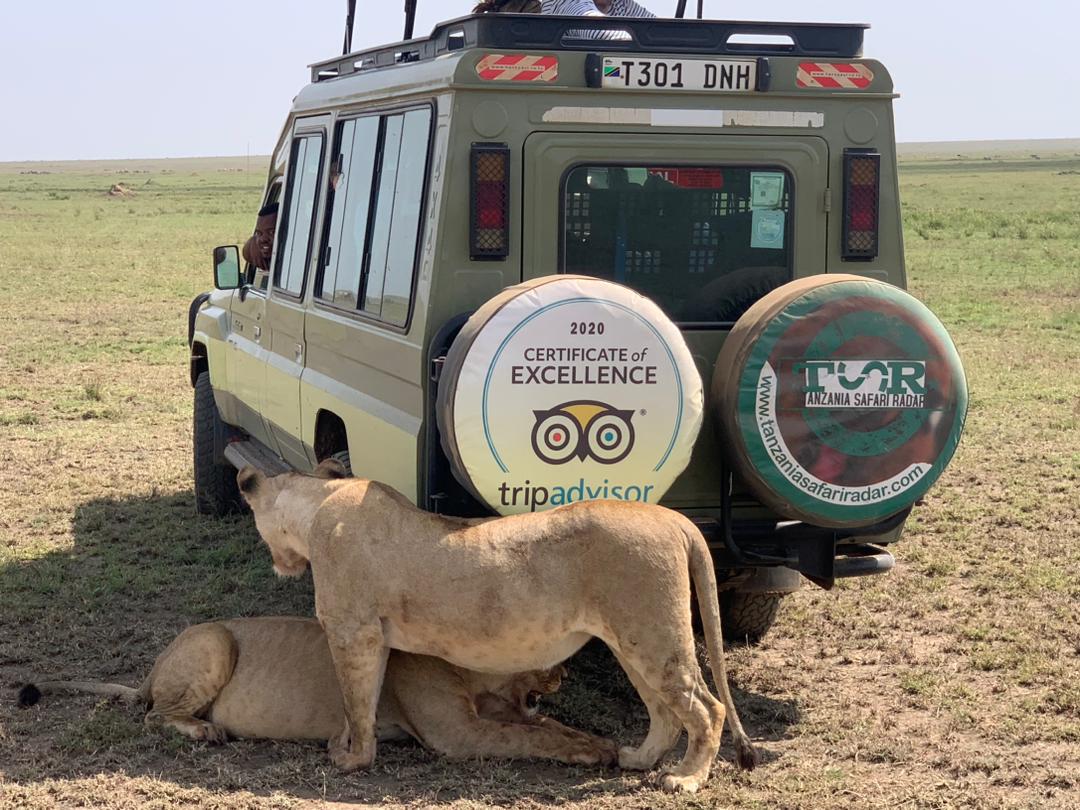
Best Serengeti Safari & Tours
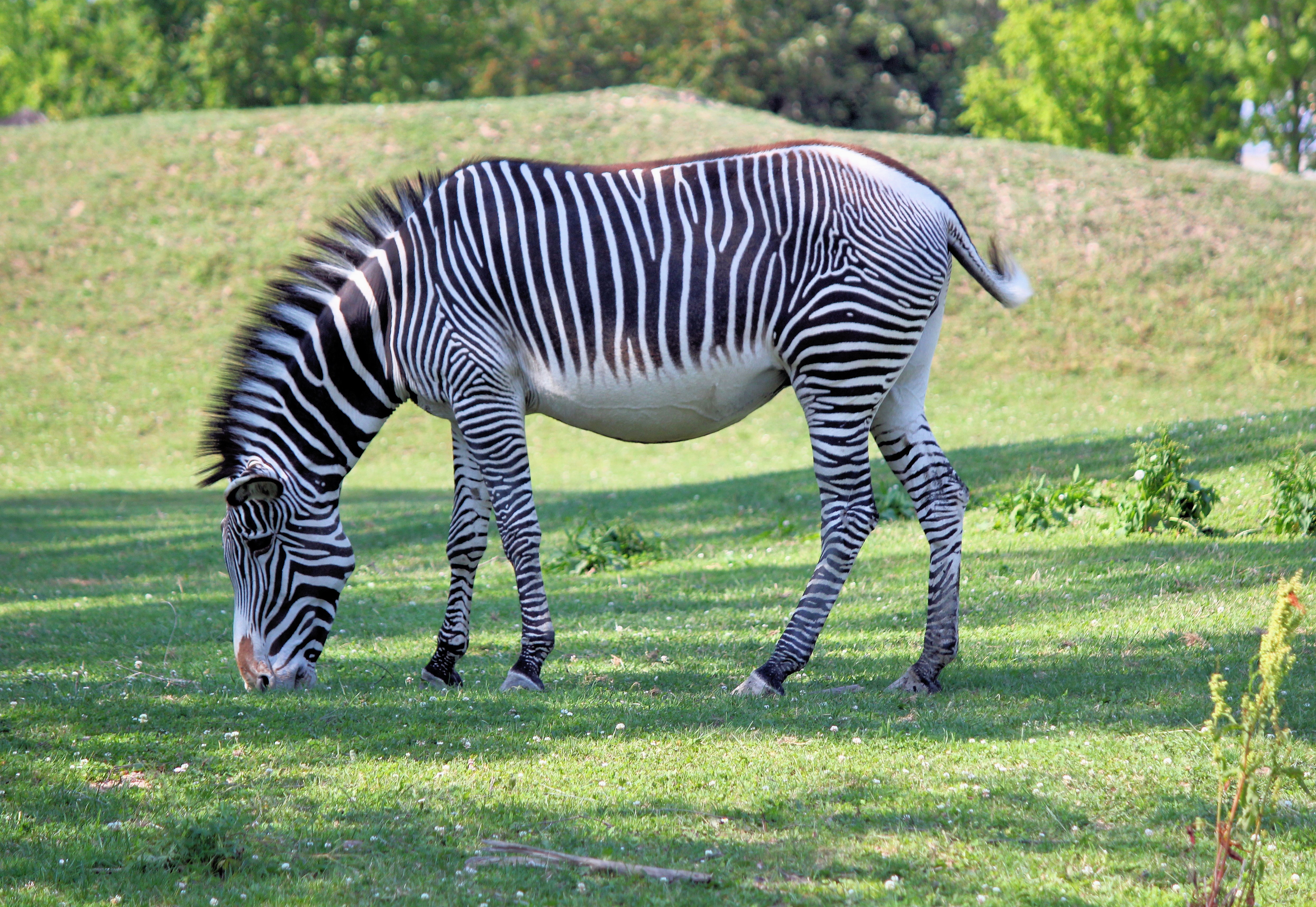
Best Time For Tanzania Safari
Serengeti Great Migration
Costs & Prices for Tanzania Safari Tours
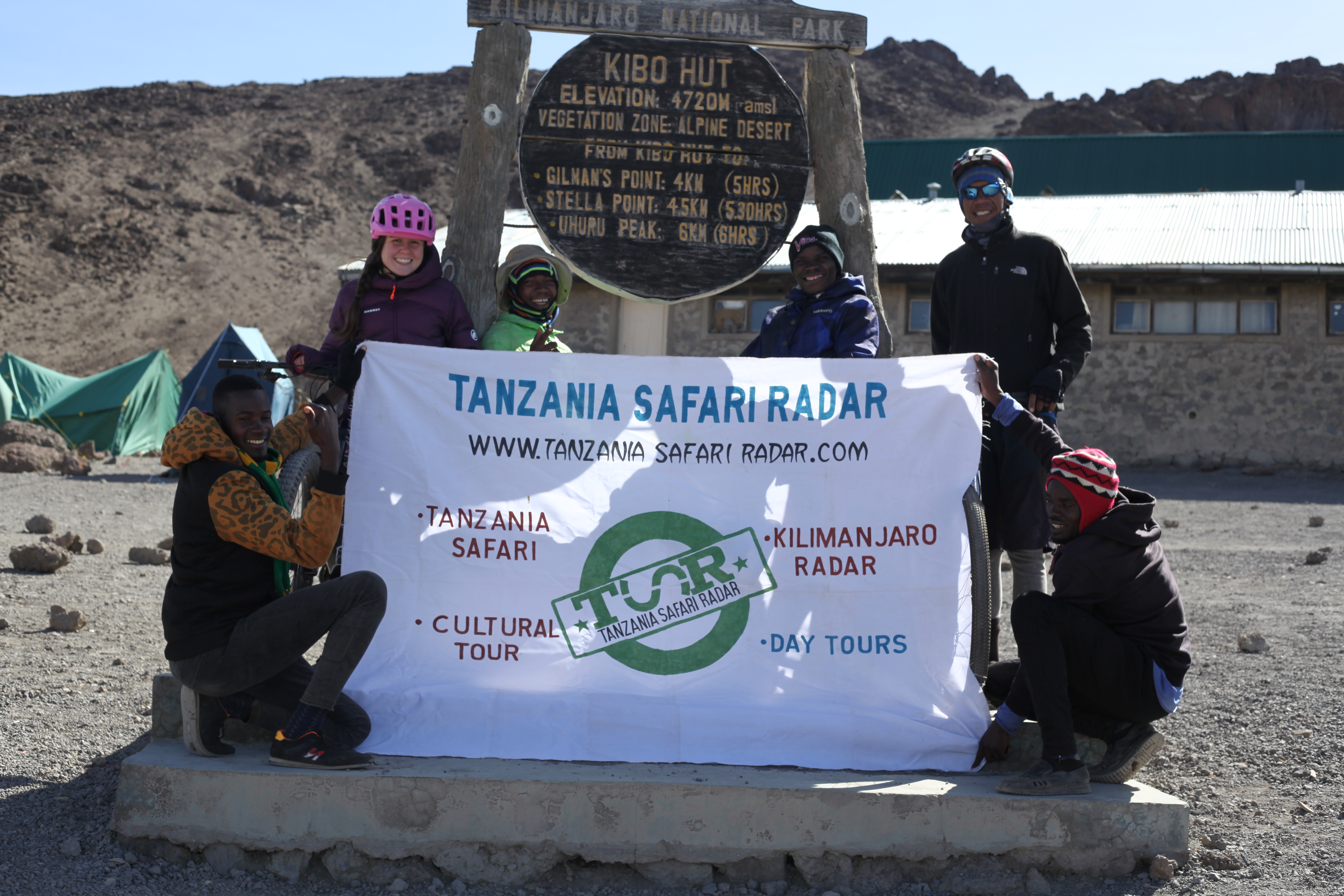
Best Time to Climb Kilimanjaro

Ultimate Guide to Kilimanjaro Climbs
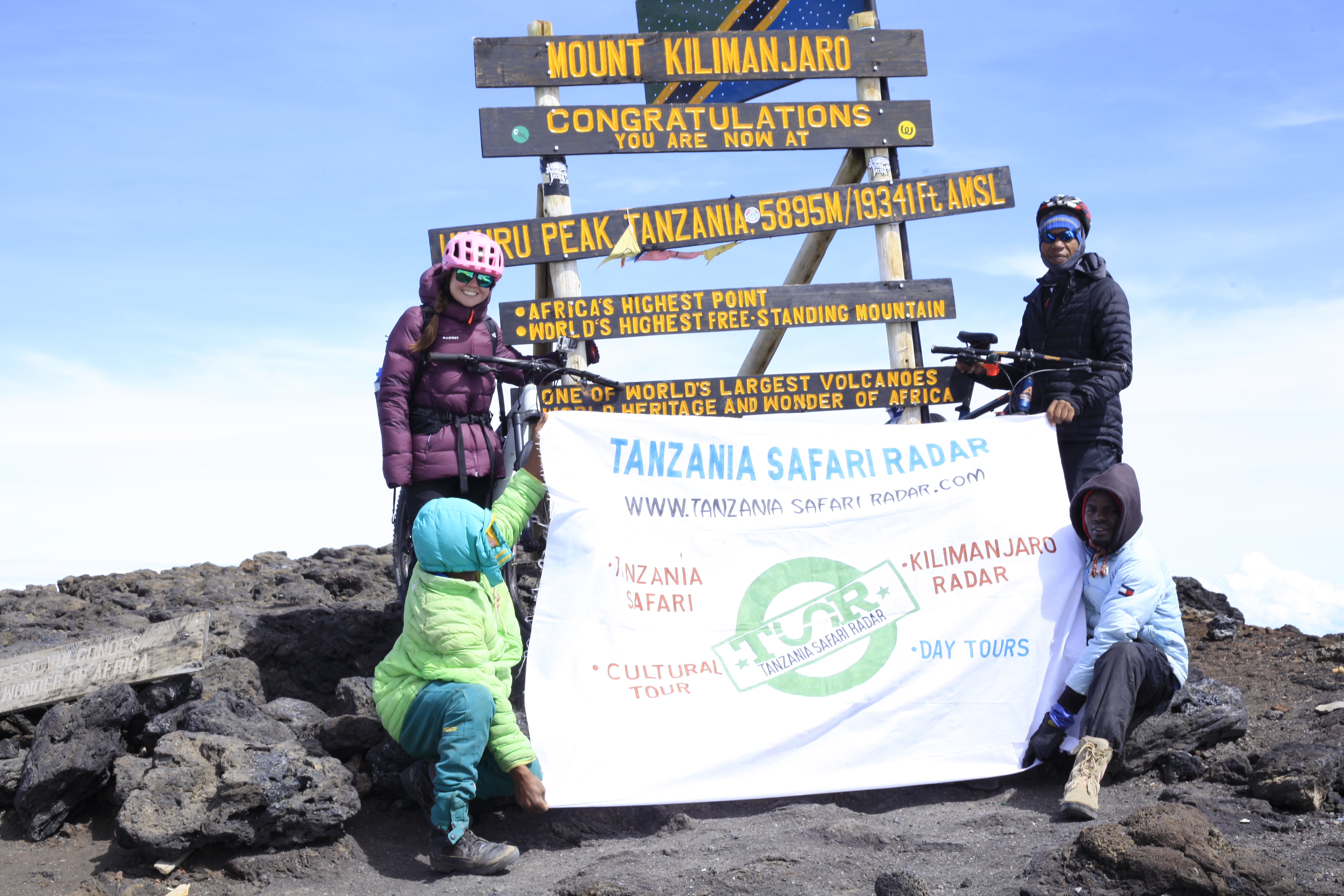
Kilimanjaro Group Tour Departures

Kilimanjaro Routes
Best Kilimanjaro Tour Packages
Complete Kilimanjaro Tips
All About Zanzibar Island
Best Zanzibar Tour Destinations
Best Zanzibar Tour Packages