Welcome to our most complete frequently asked questions about Kilimanjaro hiking and climbing expeditions. At Tanzania Safari Radar, we are providing you with free access to the most popular Kilimanjaro FAQs, covering everything from Mt. Kilimanjaro climbing and hiking to exclusive Kilimanjaro tours and tour packages for 2026–2027. Beyond this guide, you are welcome to contact us free of charge to ask any questions regarding Kilimanjaro or other tours across Tanzania.
Purposefully for 2026 - 2027 season, climbing Kilimanjaro remains a top global trekking goal, supported by improved safety measures, mandatory medical checks, and updated environmental regulations to preserve its unique ecological zones. This journey is unlike any other technical mountaineering feat; it is a "walk-up" mountain that requires no specialized climbing skills, yet it demands significant physical endurance and mental resilience to overcome the challenges of altitude.
This Mt. Kilimanjaro FAQs guide is designed to answer the most critical questions for prospective climbers in 2026-2027 season. Whether you are curious about the best time to visit, the varying costs of expeditions, or how to prepare for the five distinct climate zones you will traverse from lush rainforests to arctic like glaciers this resource provides the expert insights needed for a safe and successful summit.
Mount Kilimanjaro, famously known as the "Roof of Africa," is the highest free-standing mountain in the world, rising 5,895 meters (19,341 feet) above sea level in Tanzania. As a dormant stratovolcano composed of three distinct cones—Kibo, Mawenzi, and Shira—it attracts approximately 50,000 adventurers annually who seek to reach Uhuru Peak, its highest point.


Shortly it is known as KINAPA, It is a protected area in Tanzania that encompasses Mount Kilimanjaro, the highest peak in Africa, and the surrounding montane forests and wilderness areas under the managment of Tanzania's goverment wildlife sector.
The area was first established as a game reserve in 1921 by the German colonial government and was designated as a National Park in 1973. It officially opened to the public in 1977.
It was designated a World Heritage site in 1987 due to its unique combination of spectacular natural beauty, ecological significance as a habitat for numerous species, and important geological features, particularly its three volcanic cones.
Mount Kilimanjaro is the world's tallest free-standing mountain—meaning it is not part of a mountain range—and is also located just south of the equator, making its permanent ice cap an unusual geological feature.
The park contains three main volcanic cones: Kibo (dormant and the highest point), Mawenzi (extinct and rugged), and Shira (extinct and a high-altitude plateau).
Yes, the park is home to a variety of wildlife, although animals are often reclusive due to hiking traffic. Species include elephants, buffalo, leopards, blue monkeys, and the rare black and white colobus monkey, primarily found in the forest zone.
The park is remarkable for encompassing five distinct ecological zones from bottom to top: the bushland/cultivated zone, rainforest, heath/moorland, alpine desert, and the arctic summit zone.
Yes, the glaciers are still present, but they are retreating rapidly. Scientists estimate that over 80% of the ice cap present in the early 20th century has disappeared due to climate change.
The mountain's forest and moorland zones are a crucial water catchment area. Meltwater and rainfall feed numerous rivers that sustain local communities and agriculture in the surrounding regions.
Kibo is considered a dormant volcano, not extinct. While it has not erupted in recorded human history, geothermal activity (like sulfur emissions near the crater) indicates that volcanic activity is still possible.
Preparing for a Kilimanjaro expedition requires more than just physical stamina; it demands a strategic understanding of the mountain’s geography and the logistics of high-altitude trekking. This Kilimanjaro Climbs FAQ is designed to guide you through the technical aspects of the journey, focusing on the critical factors that determine a successful summit. From choosing between the iconic Machame "Whiskey" route and the scenic Lemosho trail to understanding the vital "climb high, sleep low" acclimatization philosophy, these insights are tailored for climbers planning their adventure in the 2026–2027 seasons.
In the sections below, we break down the complexities of trek durations, the seasonal weather patterns that dictate visibility, and the physical distances covered across the mountain's five ecological zones. Whether you are looking for a challenging 9-day traverse or a shorter trekking experience, this guide provides the clarity needed to select the best route for your skill level and maximize your safety on the path to Uhuru Peak.
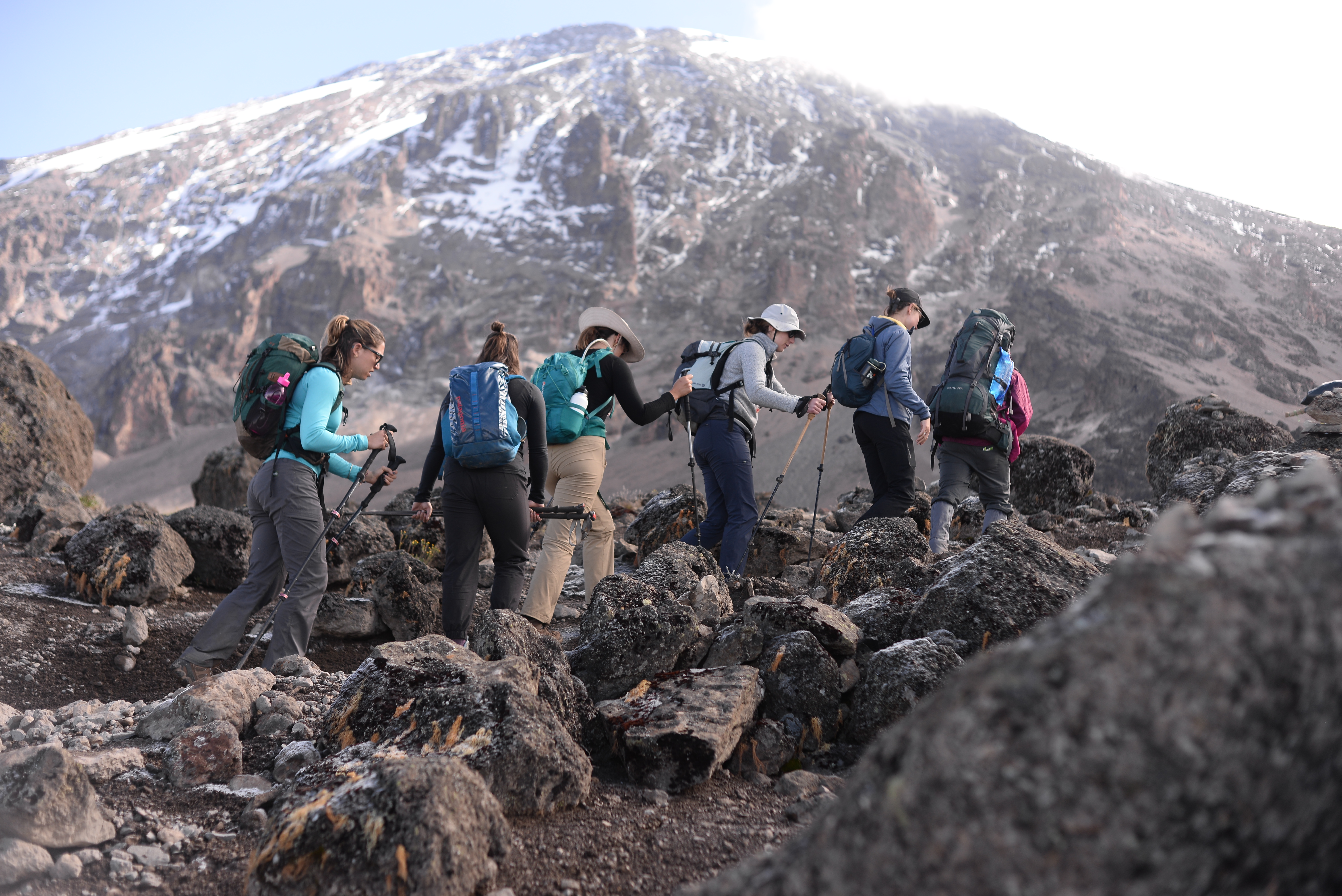
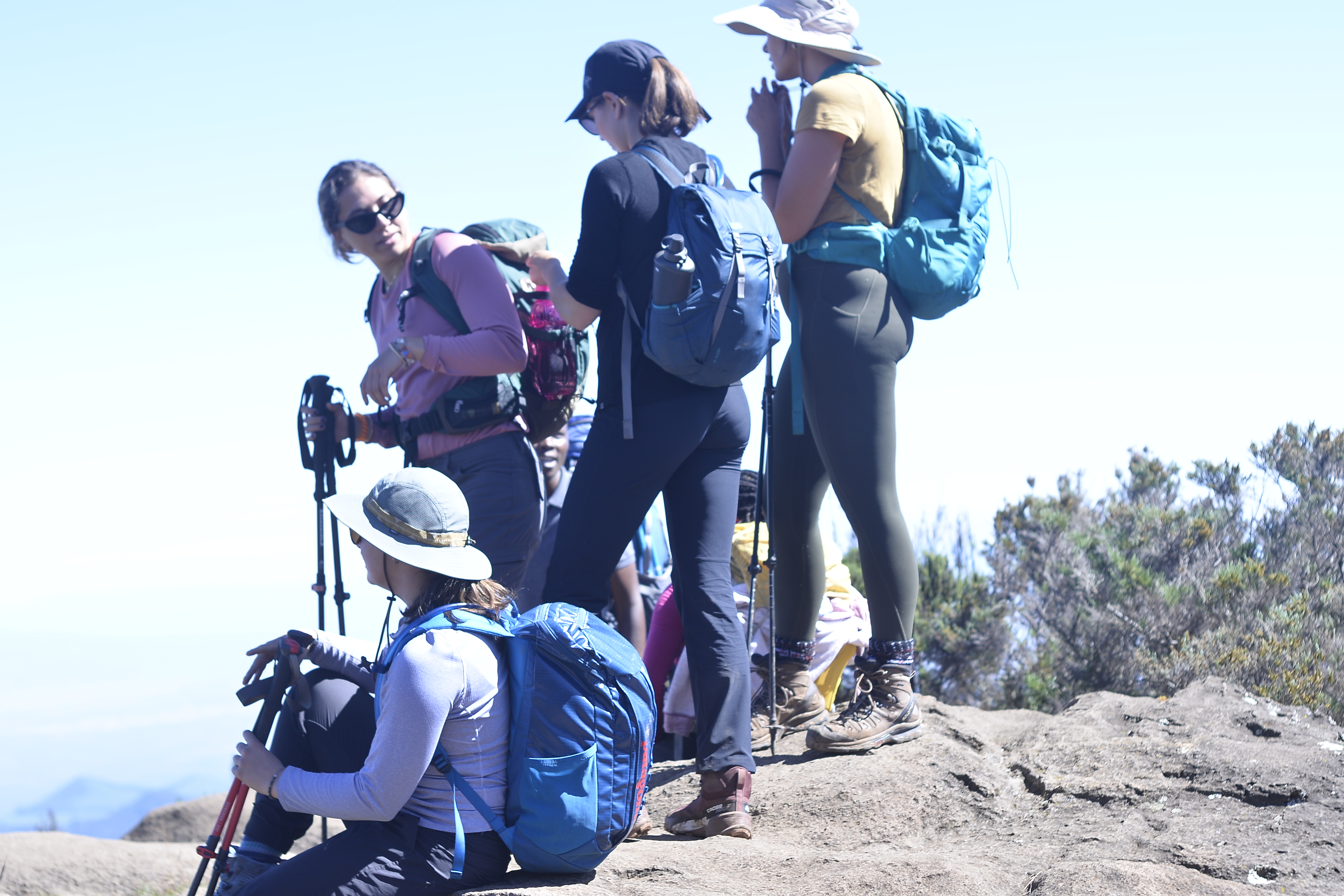
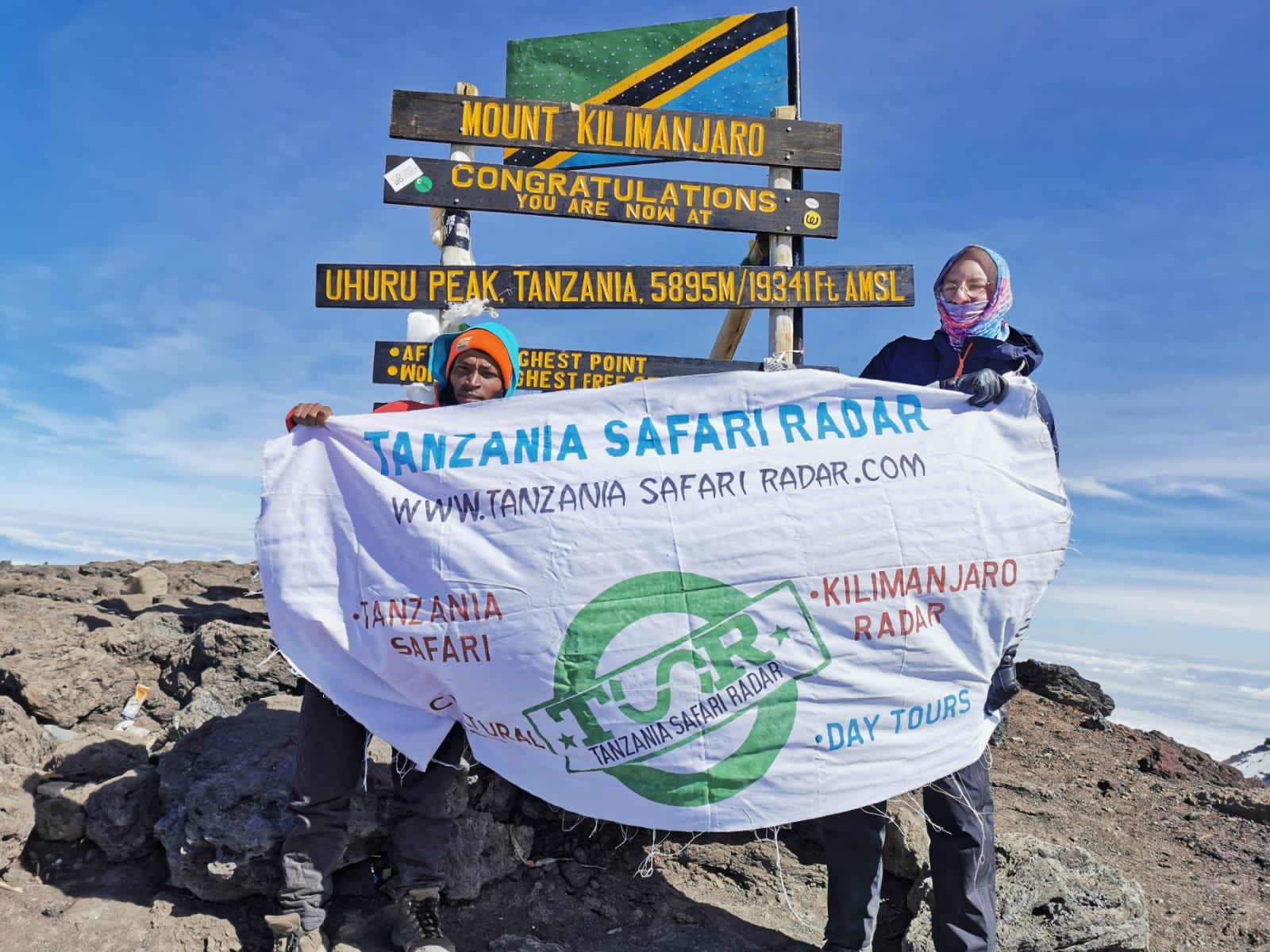
There are seven main routes to the summit: Machame, Marangu, Lemosho, Rongai, Umbwe, Londorosi, Northern Circuit(sub-route), and Mweka(descent only).
The Lemosho, Machame and Northern Circuit routes are widely considered the best due to their stunning scenery, varied landscapes, and longer duration, which allows for optimal acclimatization and a high success rate.
The Machame route (often called the "Whiskey" route) is the most popular, attracting roughly 50% of all climbers. It offers excellent scenery and a solid challenge.
The Marangu route (the "Coca-Cola" route) is physically the least demanding due to its more gradual slope. It is also the only route to offer hut accommodations instead of tents.
The Northern Circuit (9 days) consistently achieves the highest summit success rates, often exceeding 95-98%, because its long duration and gradual ascent profile allow for superior acclimatization.
The entire expedition typically lasts between 5 and 9 days. Summit night itself usually involves an 8-10 hour ascent to the peak, starting around midnight, followed by a 4-6 hour descent back to camp.
Yes, for those not intending to summit, day hikes or short treks up the lower slopes are available, usually going no further than the first camp (e.g., Mandara Hut on the Marangu route) before descending the same day.
Longer itineraries (7-9 days) include more acclimatization days, giving your body essential time to adjust to the high altitude. This drastically reduces the risk of acute mountain sickness (AMS) and increases your chances of a successful and safe summit.
Acclimatization is the process by which your body adjusts to lower oxygen levels at high altitudes. It is crucial for preventing altitude sickness. The golden rule is "climb high, sleep low."
Kilimanjaro experiences distinct micro-climates. The weather changes dramatically as you ascend, from tropical warmth at the base to an arctic climate with sub-zero temperatures at the summit.
You should have a good baseline of fitness and be comfortable walking for 6-8 hours a day on consecutive days, carrying a daypack. Mental toughness is just as important as physical fitness.
"Pole pole" means "slowly, slowly" in Swahili. Guides constantly advise climbers to maintain a slow, steady pace. This measured approach is critical for successful acclimatization and energy conservation on the mountain.
Preparing for a Kilimanjaro expedition requires more than just physical stamina; it demands a strategic understanding of the mountain’s geography and the logistics of high-altitude trekking. This Kilimanjaro Climbs FAQ is designed to guide you through the technical aspects of the journey, focusing on the critical factors that determine a successful summit. From choosing between the iconic Machame "Whiskey" route and the scenic Lemosho trail to understanding the vital "climb high, sleep low" acclimatization philosophy, these insights are tailored for climbers planning their adventure in the 2026–2027 seasons.
In the sections below, we break down the complexities of trek durations, the seasonal weather patterns that dictate visibility, and the physical distances covered across the mountain's five ecological zones. Whether you are looking for a challenging 9-day traverse or a shorter trekking experience, this guide provides the clarity needed to select the best route for your skill level and maximize your safety on the path to Uhuru Peak.
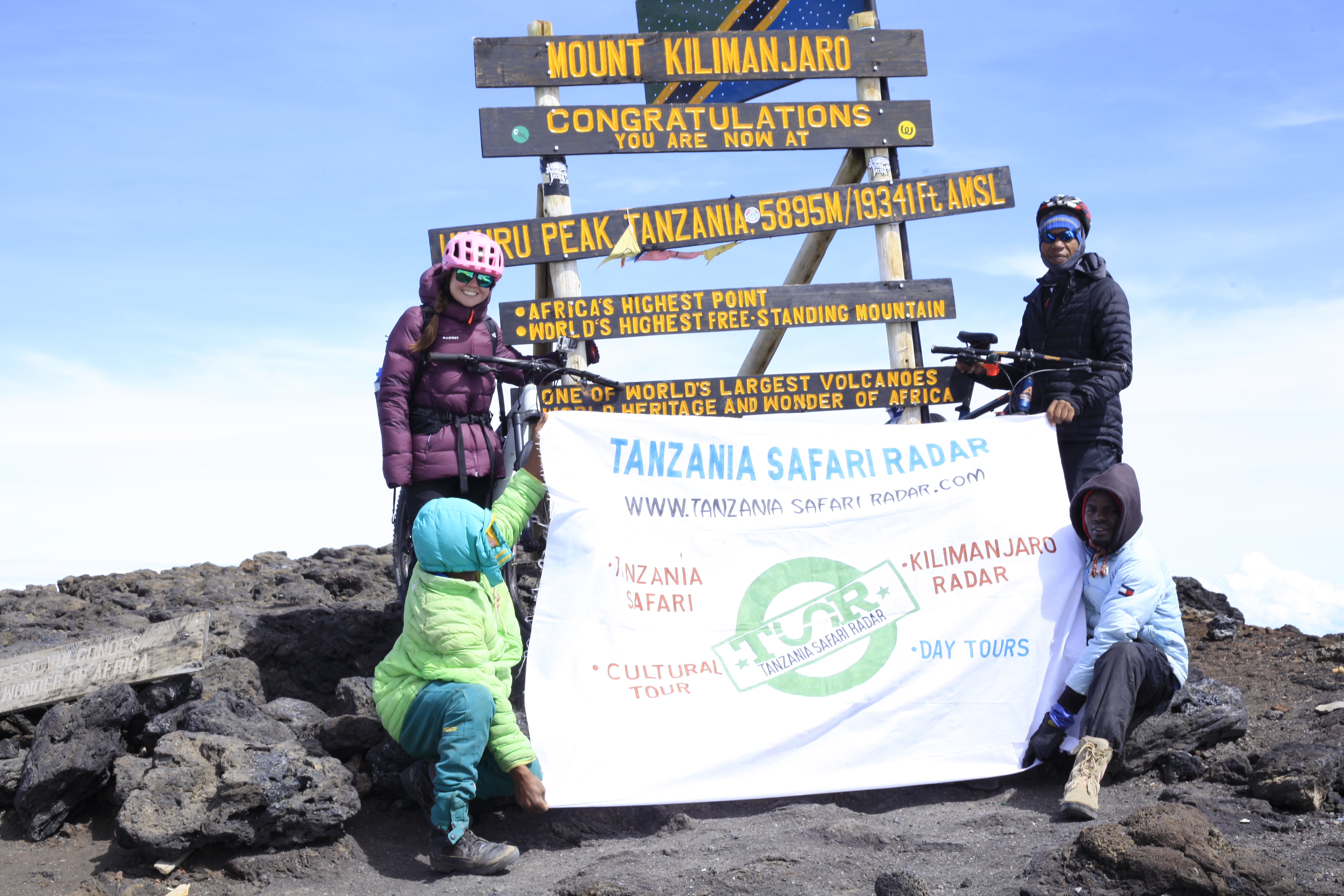

There are seven main routes to the summit: Machame, Marangu, Lemosho, Rongai, Umbwe, Londorosi, Northern Circuit(sub-route), and Mweka(descent only).
The Lemosho, Machame and Northern Circuit routes are widely considered the best due to their stunning scenery, varied landscapes, and longer duration, which allows for optimal acclimatization and a high success rate.
The Machame route (often called the "Whiskey" route) is the most popular, attracting roughly 50% of all climbers. It offers excellent scenery and a solid challenge.
The Marangu route (the "Coca-Cola" route) is physically the least demanding due to its more gradual slope. It is also the only route to offer hut accommodations instead of tents.
The Northern Circuit (9 days) consistently achieves the highest summit success rates, often exceeding 95-98%, because its long duration and gradual ascent profile allow for superior acclimatization.
The entire expedition typically lasts between 5 and 9 days. Summit night itself usually involves an 8-10 hour ascent to the peak, starting around midnight, followed by a 4-6 hour descent back to camp.
Yes, for those not intending to summit, day hikes or short treks up the lower slopes are available, usually going no further than the first camp (e.g., Mandara Hut on the Marangu route) before descending the same day.
Longer itineraries (7-9 days) include more acclimatization days, giving your body essential time to adjust to the high altitude. This drastically reduces the risk of acute mountain sickness (AMS) and increases your chances of a successful and safe summit.
Acclimatization is the process by which your body adjusts to lower oxygen levels at high altitudes. It is crucial for preventing altitude sickness. The golden rule is "climb high, sleep low."
Kilimanjaro experiences distinct micro-climates. The weather changes dramatically as you ascend, from tropical warmth at the base to an arctic climate with sub-zero temperatures at the summit.
You should have a good baseline of fitness and be comfortable walking for 6-8 hours a day on consecutive days, carrying a daypack. Mental toughness is just as important as physical fitness.
"Pole pole" means "slowly, slowly" in Swahili. Guides constantly advise climbers to maintain a slow, steady pace. This measured approach is critical for successful acclimatization and energy conservation on the mountain.
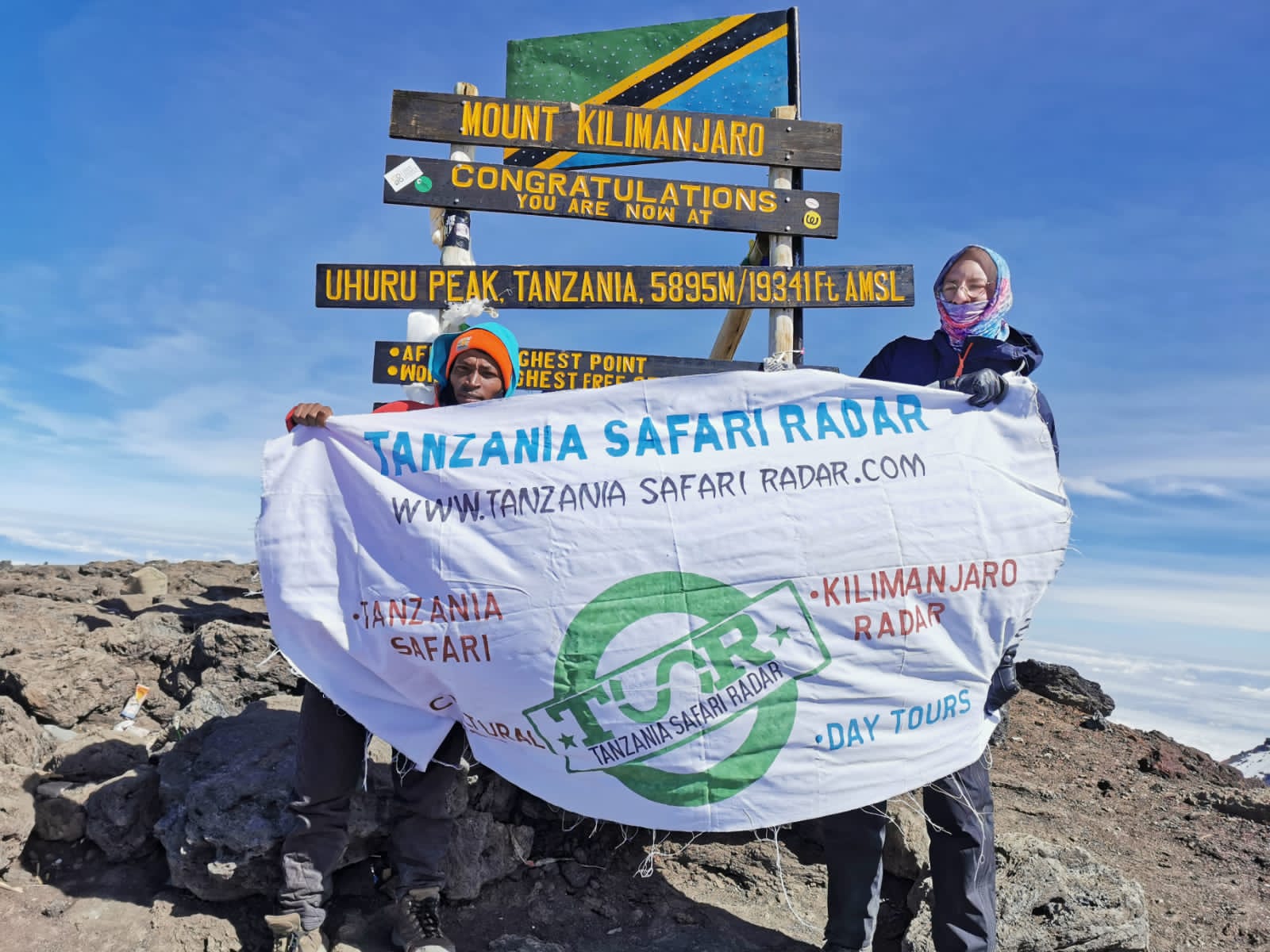
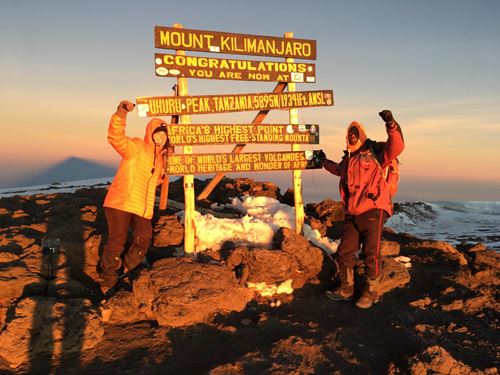
Expert guides on Tanzania safari radar, Kilimanjaro climbing radar, and Zanzibar vocation radar

Tanzania Safari Destinations
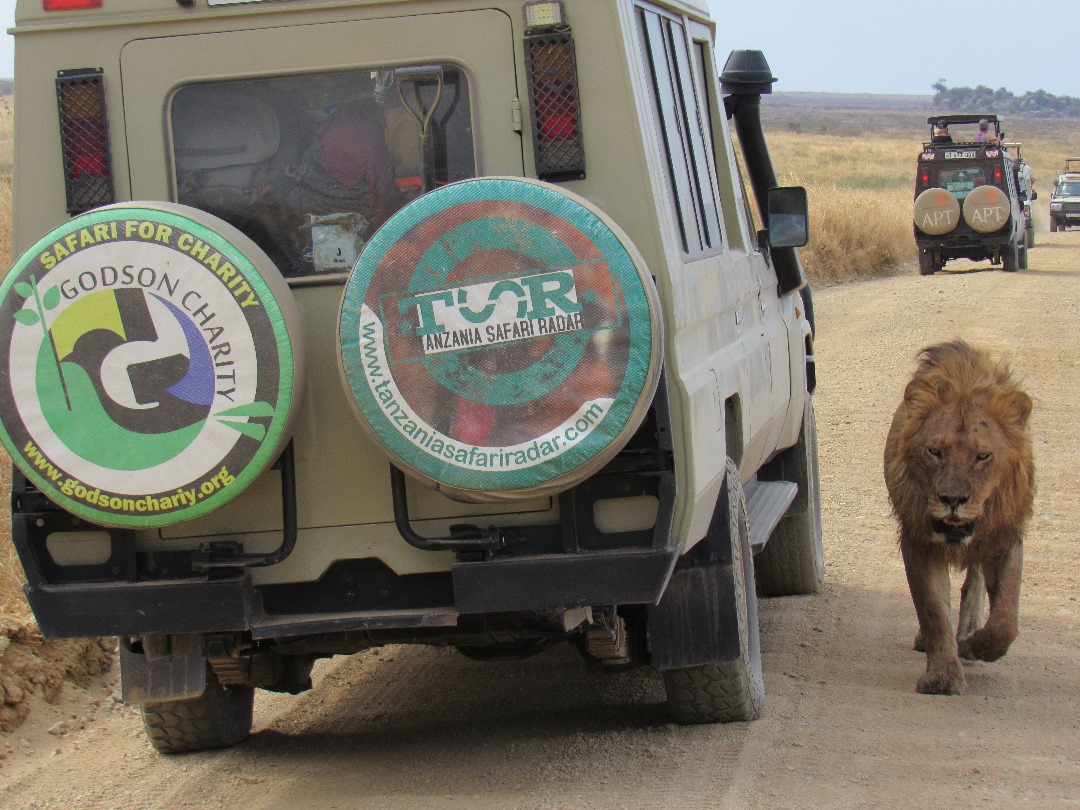
Ultimate Guide for Tanzania Safari
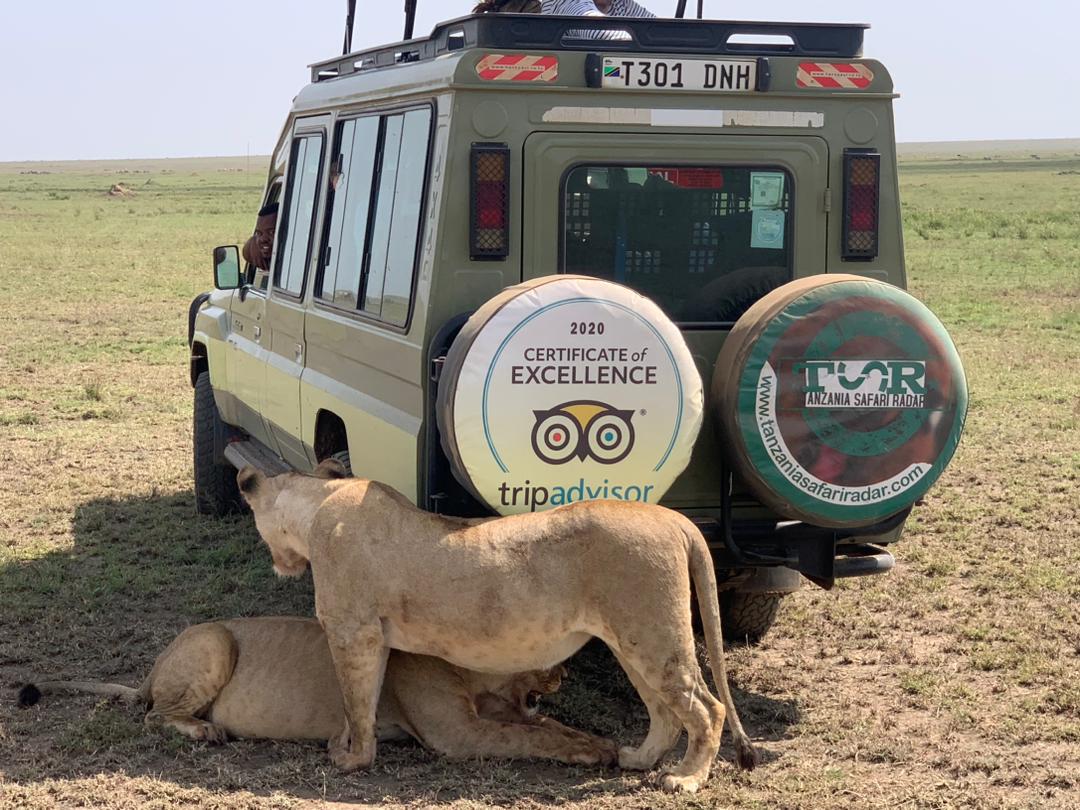
Best Serengeti Safari & Tours
Best Time For Tanzania Safari
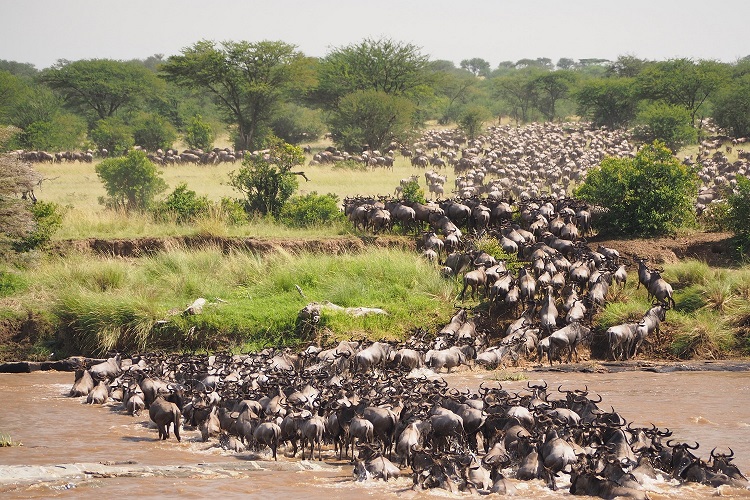
Serengeti Great Migration
Costs & Prices for Tanzania Safari Tours
Best Time to Climb Kilimanjaro

Ultimate Guide to Kilimanjaro Climbs
Kilimanjaro Group Tour Departures

Kilimanjaro Routes
Best Kilimanjaro Tour Packages
Complete Kilimanjaro Tips
All About Zanzibar Island
Best Zanzibar Tour Destinations
Best Zanzibar Tour Packages